






2026 Market Brief
Powertrain Diversification Defines Fleet Resilience Through Uncertainty
The 2026 Market Brief arrives as commercial and public fleets navigate what many consider the most complex operating environment in history. A prolonged freight recession, federal policy reversals and geopolitics, developments and pivots across every fuel type while artificial intelligence rapidly moves from pilots to mainstream and autonomous vehicles enter the mix. As uncertainty persists, a clear pattern is emerging: Fleet technology markets are maturing quickly across nearly every technology type, while fleets that manage cost and risk across a portfolio of technologies – rather than waiting for a single solution – are demonstrating measurably greater resilience. The 2026 Market Brief delivers a technology-neutral analysis of this evolving landscape, giving fleet leaders essential data to understand how to adapt, where to invest, and where doing nothing leaves operations exposed to shocks.
Download the brief to understand the data and developments shaping advanced, clean fleet technologies in 2026 and beyond.
2026 Fleet Market Data
State of Sustainable Fleets data and analysis helps fleets understand costs of technologies – and of doing nothing. The Fleet Market Data section provides a snapshot of key insights and data points for each drivetrain chapter of the Market Brief.

- New registrations for Class 8 diesel tractors declined 16% between 2024 – 2025
- 38% of fleets use efficiency technologies and practices
- 46% of fleets plan to increase use of efficiency technologies and practices in the next two years
- Fleets in the logistics industry report 8.5 MPG average MPG
- Diesel at public stations averaged $3.72 per gallon nationally in 2025
- Diesel at public stations averaged $5.18 during the first four weeks of the U.S. invasion of Iran
- Gasoline at public stations averaged $3.60 per gallon nationally in 2025
- Biodiesel (B99/B100) at public stations averaged $4.55 per DGE in 2025, a -6% change from 2024
- Renewable diesel prices at California public stations averaged $4.95 per DGE in 2025, a -5% change from 2024
- 56% of fleets report using renewable diesel or biodiesel in 2025
- Renewable diesel and biodiesel provided 74% of diesel fueling in California in 2024
- Renewable diesel used in California offered a 57% lifecycle GHG reduction in 2025
- Lifecycle GHG emissions from renewable diesel increased 2% in California between 2024-2025
- Biodiesel used in California offered a 63% lifecycle GHG reduction in 2025
- Lifecycle GHG emissions from biodiesel increased 17% in California between 2024-2025

- Total new natural gas vehicle registrations declined 15% between 2024-2025
- New straight truck (mostly refuse) registrations increased 27% and new tractor trucks decreased 83%
- 71% of fleets using the X15N reported cost savings relative to diesel
- 59% of fleets using the X15N reported cost savings relative to other NGVs
- 38% of fleets currently using NGV intend to increase its use
- CNG averaged $3.43 per diesel gallon-equivalent nationally at public stations in 2025
- Cost savings over diesel averaged 8% in 2025 and climbed to 36% in March 2026
- 65% of CNG users reported using RNG for 78% of their fueling volume
- RNG replaced nearly all conventional natural gas used in California transportation since 2023
- RNG replaced 97% of natural gas used in California the first three quarters of 2025
- RNG used in California offered a 301% GHG reduction in 2025 compared to diesel on a lifecycle basis
- Lifecycle GHG emissions from RNG were 13% lower in California between 2024-2025

- Total propane vehicles in operation increased 3% between 2024-2025
- Type C school buses in operation declined -7% and upfitting service vehicles increased 7.5% between 2024-2025
- 41% of fleets currently operating propane intend to increase its use
- Private fueling prices reported in 2025 range from $1.32-2.91 per gasoline-gallon-equivalent
- Private fueling prices showed a 19–63% savings over gasoline
- 39% of propane fleets reported operational cost savings as compared to vehicles they replaced
- 32% of propane users report fueling with renewable propane
- Renewable propane users estimate it accounts for 83% of their propane volume
- More than 2/3 of renewable propane users use it for all of their propane fueling
- Renewable propane used in California offered a 59% lifecycle GHG reduction in 2025 compared to gasoline
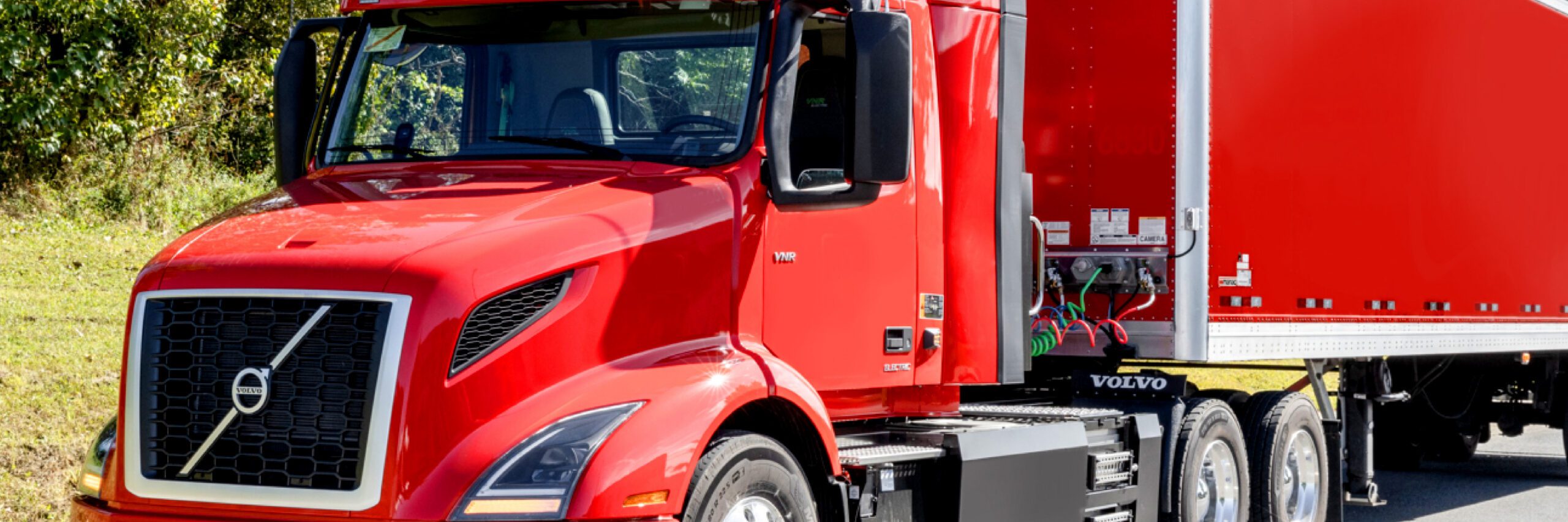
- New registrations for MD and HD BEVs increased 21% between 2024-2025
- Electric pickup trucks comprised 51% of total 2025 MD and HD new BEV registrations
- Delivery vans comprised 39% of total 2025 MD and HD new BEV registrations
- 54% of BEV operating fleets plan to increase usage in the next two years
- 57% of fleets reported operational cost savings on MD EVs compared to vehicles they replaced
- BEV users estimate that renewable electricity accounts for 57% of their total fueling by volume on average
- 35% of fleets operating BEVs report using renewable electricity
- Electricity for charging in California offered a 59% GHG reduction in 2025 compared to diesel on a lifecycle basis
- Lifecycle GHG emissions from charging were 10% lower in California between 2024-2025
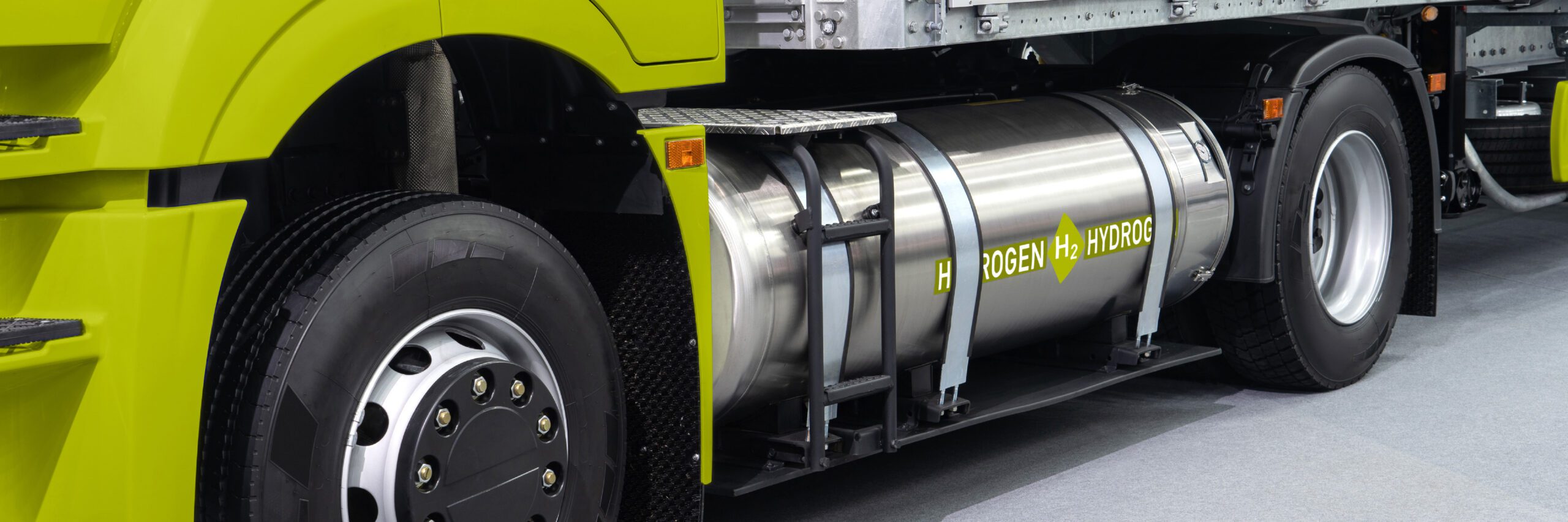
- Registrations for new MD and HD hydrogen FCEVs declined 12% between 2024-2025
- Registrations of new transit buses increased 24% and registrations for tractors declined 41%
- 12% of fleets operating hydrogen intend to increase usage over the next two years
- Fleets report hydrogen fuel prices averaged $18.86/kg in 2025
- Hydrogen fuel prices showed a 89-135% premium over diesel in 2025
- 48% of surveyed hydrogen users reported using renewable hydrogen
- Hydrogen fuel in California offered a 64% GHG reduction in 2025 compared to diesel on a lifecycle basis
- Lifecycle GHG emissions for hydrogen were 23% lower in California between 2024-2025
- Renewable hydrogen fuel in California offered a 78% GHG reduction in 2025 compared to diesel on a lifecycle basis
- Lifecycle GHG emissions of renewable hydrogen in California increased 651% between 2024- 2025